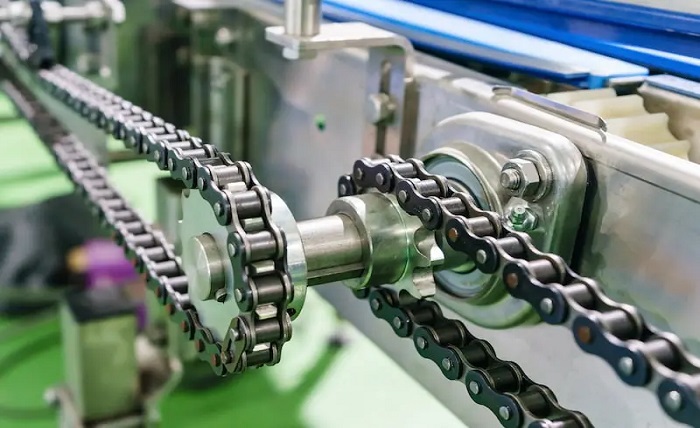
In industrial equipment, some components get attention only when they fail. Drive chains are often one of them. When everything is running properly, they are easy to overlook. They move quietly through production lines, conveyors, lifting systems, packaging equipment, and power transmission setups without drawing much notice. But when a chain wears too quickly, stretches beyond tolerance, loses alignment, or breaks under load, the consequences can be immediate and expensive. Downtime, damaged sprockets, lost output, and safety concerns can all follow.
That is why selecting the right drive chains for industrial use matters much more than many operations initially assume. A chain is not just a connection between moving parts. It is a critical transmission component that affects efficiency, durability, maintenance schedules, and overall equipment reliability. The wrong chain can shorten service life and increase operating costs. The right one can support smoother motion, better load handling, and fewer interruptions over time.
Industrial environments place real demands on mechanical systems. Heat, dust, moisture, chemicals, shock loads, and continuous operation all affect how well a chain performs. A chain that works well in one application may fail quickly in another if its design, material, or lubrication needs do not match the environment. That is why a good decision requires more than simply matching pitch and length. It requires understanding the job the chain is being asked to do.
For manufacturers, maintenance teams, plant managers, and equipment designers, choosing industrial drive chains is about balancing performance with practicality. Load capacity, speed, wear resistance, maintenance needs, and operating conditions all have to be considered together. When that balance is right, the chain becomes one of the most dependable parts of the system. When it is wrong, small problems tend to grow into larger ones.
Why Drive Chains Matter So Much in Industrial Systems
A chain may seem like a simple mechanical component, but its role is substantial. In many industrial systems, it is responsible for transmitting power, synchronizing movement, carrying loads, or driving repeated motion in equipment that cannot afford inconsistency.
That is why drive chains for industrial use are built to handle more than ordinary motion. They must operate under sustained pressure, often in environments that challenge every moving part in the system. A reliable chain contributes to steady output, predictable maintenance, and better equipment life.
More Than Basic Power Transmission
At a basic level, a drive chain transfers motion from one sprocket to another. But in practice, that simple action supports a much larger system. Whether the chain is moving material along a conveyor, supporting a lift mechanism, or transmitting torque in a production machine, its performance affects the timing and reliability of the entire process.
If the chain stretches too far, wears unevenly, or fails under stress, the problem rarely stays isolated. Other components start to suffer too.
Downtime Is Usually More Expensive Than the Chain
In many facilities, the cost of replacing a chain is small compared with the cost of unscheduled downtime. A stoppage in one part of a production line can affect labor, shipping, deadlines, and customer expectations. This is one reason chain selection should be treated as a reliability decision, not just a purchasing decision.
What Drive Chains for Industrial Use Are Designed to Do
Industrial drive chains are designed to handle repeated mechanical motion under specific operating conditions. They are meant to connect rotating parts, transmit force, and perform consistently through many cycles of use.
Different chain designs support different goals. Some are built for heavy load handling. Others are optimized for quieter operation, smoother engagement, or more precise movement. Understanding that distinction is essential when choosing the right type.
Load, Speed, and Environment All Matter
A chain is only as suitable as its fit to the application. A slow-moving conveyor in a dusty warehouse has very different demands from a high-speed packaging line or a lifting assembly under intermittent heavy loads.
This is why the best drive chains for industrial use are chosen based on actual operating conditions rather than assumption or habit.
Reliability Depends on the Whole System
Even the best chain cannot perform well if sprockets are worn, alignment is poor, or lubrication is neglected. Chain performance depends on the full drive system working together. Good chain selection is important, but so is proper installation, maintenance, and system design.
Understanding the Main Components of a Drive Chain
A drive chain may look straightforward from the outside, but it is made of several parts working together to create strength and movement. Understanding these parts helps explain why chain quality varies and why some chains perform better in specific environments.
Link Plates
Link plates form the outer structure of the chain. They hold the assembly together and help absorb the forces placed on the chain during operation. Their strength has a major effect on how well the chain handles tension and repeated loading.
Pins and Bushings
Pins connect the chain links and allow articulation as the chain wraps around sprockets. Bushings help reduce wear between moving components and support smoother internal motion. These parts are especially important because chain wear often begins in the points where movement and friction occur repeatedly.
Rollers
In many roller chains, rollers reduce friction as the chain engages with sprockets. They help improve motion efficiency and reduce wear on both the chain and the sprocket teeth. The quality of the rollers can influence noise, wear rate, and long-term durability.
Common Types of Industrial Drive Chains
Not all chains are interchangeable. Choosing between them means understanding the kind of motion, load, and operating environment involved.
Roller Chains
Roller chains are among the most common drive chains for industrial use. They are widely used because they are efficient, versatile, and relatively straightforward to maintain. These chains perform well in many power transmission setups and are found across manufacturing, material handling, agricultural equipment, and packaging lines.
Their popularity comes from their balance of strength, simplicity, and broad compatibility.
Silent Chains
Silent chains are designed for smoother and quieter operation. Instead of cylindrical rollers, they use specially shaped links that engage sprockets more continuously. This can reduce noise and vibration, which makes them useful in applications where smoother motion and quieter performance matter.
These are often chosen in systems where precision and reduced sound levels are more important than simple ruggedness alone.
Conveyor Chains
Conveyor chains are designed specifically for moving products or materials rather than only transmitting rotational power. They may include special attachments or link forms depending on the items being moved and the conditions of the conveyor system.
In these applications, resistance to wear, contamination, and repeated loading is especially important.
Lifting and Heavy-Duty Chains
Some industrial chains are built for lifting or severe-duty applications. These must tolerate high load forces and more demanding operating conditions. Strength, fatigue resistance, and safety margins become central to their design.
Material Selection and Why It Matters
Material choice has a direct effect on chain strength, wear resistance, corrosion behavior, and operating life. For many industrial buyers, this is one of the most important parts of choosing a chain.
Steel Chains
Steel remains the standard material for many drive chains for industrial use because it offers strength, durability, and strong wear resistance. Properly manufactured steel chains can handle significant loads and repeated motion over long periods.
Heat treatment and finishing processes can improve hardness and fatigue performance even further.
Corrosion-Resistant Options
In wet, chemical, or washdown environments, corrosion resistance becomes more important. Stainless steel or treated chain options may be better suited to these conditions, even if they come at a higher cost. The added protection can be worth it when rust or contamination would otherwise shorten chain life dramatically.
Composite and Specialty Materials
Some specialized applications use composite or lightweight materials, especially where corrosion, weight reduction, or specific environmental conditions matter more than traditional heavy-duty strength. These are less common than steel in core industrial transmission, but they are gaining attention in certain niches.
How to Choose the Right Drive Chain
Choosing the right chain begins with understanding the demands of the application rather than choosing what looks familiar or what happens to be in stock.
Start With Load Requirements
Load is one of the first factors to evaluate. A chain must be able to handle both the normal working load and any peak loads that may occur during startup, stoppage, shock events, or irregular operation. Underestimating load is one of the fastest ways to shorten chain life.
Consider Speed and Duty Cycle
A chain operating occasionally under moderate load is not facing the same demands as one running continuously at higher speed. Faster or continuous-duty applications may need better wear performance, smoother operation, and more careful lubrication planning.
Match the Chain to the Environment
Dust, moisture, chemicals, high heat, or contamination all affect chain performance. A chain that works perfectly in a clean indoor facility may wear rapidly in an abrasive or corrosive environment. Environmental fit matters as much as mechanical fit.
Think About Maintenance Reality
Some chains require more frequent lubrication and monitoring than others. If an operation has limited maintenance access or long production hours, a chain with lower maintenance demands may be the better long-term choice even if the purchase price is higher.
The Importance of Sprocket Compatibility
A chain does not operate by itself. It works with sprockets, and the relationship between the two is critical. Poor sprocket condition or mismatch can damage even a high-quality chain.
Worn sprockets accelerate chain wear. Improper tooth shape or alignment can create uneven loading and shorten service life. When replacing a chain, it is often smart to inspect or replace sprockets at the same time if wear is already present.
For the best results, chain and sprocket condition should always be evaluated together.
Maintenance Practices That Extend Chain Life
Even well-chosen drive chains for industrial use need regular maintenance if they are going to perform reliably over time. Neglect is one of the most common reasons for premature failure.
Lubrication
Lubrication reduces friction, helps manage heat, and slows wear between chain components. The right lubricant and application schedule depend on the chain type and environment. Too little lubrication increases wear. Too much can attract contaminants in dirty environments.
Tension and Alignment
Improper tension can create major problems. An over-tightened chain may wear quickly and overload bearings. A loose chain may skip, vibrate, or wear unevenly. Alignment also matters because misalignment creates side loads the chain was not designed to handle.
Inspection
Regular inspection helps catch wear before it becomes failure. Elongation, stiff links, rust, damaged rollers, and unusual noise can all signal that the chain needs adjustment, lubrication, or replacement. Waiting too long often damages surrounding components too.
When It Is Time to Replace a Chain
Every chain reaches the end of its useful life eventually. One of the most common indicators is elongation caused by internal wear. Even when the metal has not visibly stretched, wear at the pins and bushings causes the overall chain length to increase.
Once elongation passes an acceptable limit, the chain may no longer engage sprockets properly. That can reduce efficiency, increase wear, and create a greater risk of failure.
A chain should also be replaced if there are cracked plates, seized links, heavy corrosion, or repeated operating problems that maintenance can no longer solve effectively.
Why High-Performance Chains Are Sometimes Worth the Cost
In many applications, a standard chain works well. In others, it does not. High-load systems, demanding speeds, harsh environments, or costly downtime may justify investing in higher-performance chain options.
A premium chain may offer better heat treatment, tighter manufacturing tolerances, stronger fatigue resistance, or better corrosion protection. These upgrades often cost more upfront, but the savings in reduced downtime, fewer replacements, and better system performance can outweigh that cost over time.
The right decision depends on how critical the application is and how expensive failure would be.
Trends Shaping the Future of Industrial Chains
The world of industrial components is changing, and chain technology is changing with it. Smarter monitoring, better materials, and more efficient designs are beginning to influence how buyers think about reliability and maintenance.
Sensor-based monitoring, predictive maintenance tools, and advanced coatings are becoming more relevant in operations that want better visibility into wear and performance. Sustainability is also entering the conversation, with manufacturers exploring longer-lasting designs and more responsible production methods.
For facilities focused on uptime and efficiency, these developments are worth watching.
Why Choosing the Right Drive Chains for Industrial Use Pays Off
Industrial systems depend on consistency. The best operations are often the ones that avoid problems before they start, and chain selection plays a meaningful role in that. The right drive chains for industrial use can improve performance, reduce maintenance pressure, protect related components, and help keep equipment running when it matters most.
A chain may be only one part of a larger machine, but it has a direct effect on how that machine performs every day. That is why buyers should think beyond price alone. Load requirements, speed, environment, maintenance expectations, and lifecycle value all matter.
In the end, good chain selection is about reliability. It is about choosing a component that supports the work, holds up under pressure, and helps the rest of the system do its job without interruption. When that decision is made carefully, the return shows up in smoother operation, lower downtime, and better long-term value across the entire line.