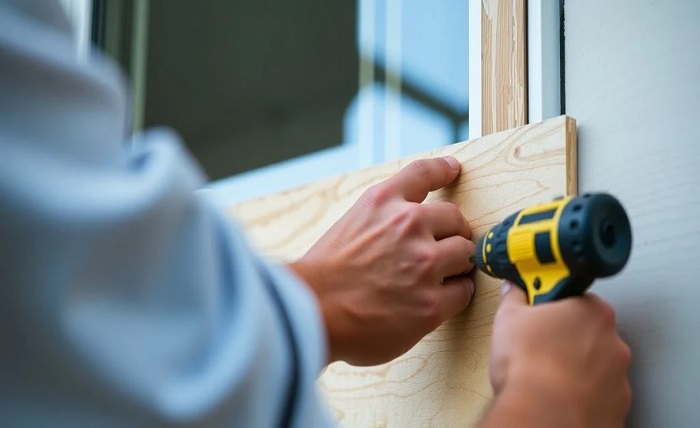
As hurricane season approaches, a familiar dread sets in for many coastal homeowners. It’s the annual ritual of long lines at the hardware store, the scramble for supplies, and the grueling, back-breaking labor of hoisting heavy plywood sheets to cover windows and doors. This process isn’t just an inconvenience; it’s a high-stakes gamble with your most valuable asset.
The financial threat is staggering. Since 1980, tropical cyclones have inflicted over $1.5 trillion in damages in the U.S., with an average cost of $23 billion per event. In the face of such risk, relying on a method that hasn’t changed much in decades is a serious liability. Thankfully, home protection technology has evolved. It’s time to move beyond last-minute, makeshift barriers and embrace engineered solutions that provide superior protection without the traditional struggle.
Key Takeaways
- Plywood is an outdated, physically demanding, and often unreliable method for hurricane protection that may not even meet local building codes.
- Modern engineered hurricane screens are designed to absorb and deflect extreme wind and rain, preventing the catastrophic structural failure that can occur when a window is breached.
- Compared to traditional methods, engineered screens offer a superior combination of strength, rapid DIY installation, lightweight storage, and the ability to see outside during a storm.
- Choosing a professionally tested and certified system is the key to guaranteeing true peace of mind and the ultimate defense for your home.
The Plywood Problem: Why Your “Go-To” Solution Is a Risky Bet
For years, plywood has been the default choice for hurricane prep, but its reputation is built more on availability than on performance. Homeowners who have been through the ordeal understand the significant drawbacks that come with this supposed solution.
First, there are the physical challenges. Plywood is incredibly heavy and awkward to handle, making installation a difficult and often dangerous job, especially for second-story windows. It requires precise cutting, drilling, and anchoring, a time-consuming process that adds immense stress when a storm is just hours away.
Then comes the storage nightmare. Where do you keep these massive, cumbersome sheets for the other 10 months of the year? They consume valuable space in garages and sheds, are susceptible to moisture damage, and can warp or rot between seasons, compromising their integrity when you need them most.
Finally, there is the psychological toll. Boarding up your home with plywood plunges the interior into darkness, creating a claustrophobic and tense environment. This “bunker effect” only amplifies the anxiety of riding out a storm, cutting you off from the outside world when you need to stay aware of changing conditions.
A Smarter Way to Protect Your Home: Introducing Modern Hurricane Defense
The frustrations and failures of plywood have driven significant innovation in home protection technology. Engineers and designers have focused on creating advanced, reusable systems that deliver certified strength without the immense physical labor and psychological stress of traditional methods.
Homeowners can discover the benefits of engineered hurricane screens that combine strength, ease of use, and long-term protection. Unlike traditional shutters or panels, these systems are designed to be quickly deployed, reduce installation labor, and provide certified wind and impact resistance, giving practical, reliable protection while minimizing the stress of storm preparation.
How an Engineered Hurricane Screen System Actually Works
The term “screen” can be misleading. This isn’t the flimsy mesh from your patio door. An engineered hurricane screen is a high-tech defensive barrier woven from high-tensile, basket-weave polypropylene fabric. This material is specifically designed to absorb and dissipate the immense energy from high-velocity winds and flying debris.
Its primary function is to act like a trampoline for storm hazards. Instead of meeting impacts with rigid force like plywood or metal, the screen’s flexibility allows it to catch and deflect projectiles. At the same time, its porous design allows wind to pass through, which prevents the dangerous buildup of positive air pressure against the home. This feature is critical for preventing catastrophic structural failure. As one expert source notes, a breached window allows wind to rush inside, dramatically increasing internal pressure and creating the conditions for severe structural damage, including the roof being lifted completely off the house.
Furthermore, these systems are translucent. They block up to 95% of wind and rain but still allow natural light to filter into your home. This maintains visibility, allowing you to see what’s happening outside while eliminating the dark, confining feeling that plywood creates. This feature significantly improves livability and reduces stress during a storm.
Hurricane Screens vs. The Old Guard: A Head-to-Head Comparison
When you evaluate the options, the advantages of modern engineered screens become undeniable. They outperform traditional methods across nearly every important metric, from raw strength to simple convenience.
| Feature | Engineered Hurricane Screens | Plywood | Metal Shutters |
|---|---|---|---|
| Strength & Certification | Professionally tested; often rated for Cat 5+ winds and meets strict building codes. | Unverified strength; often fails to meet building codes or insurance requirements. | Strong and often code-compliant, but can dent or be torn off if not perfectly installed. |
| Installation Time & Ease | Deployed by one person in minutes per opening; lightweight and easy to handle. | Takes hours; requires multiple people, heavy lifting, and tools. | Can be quick if pre-installed (accordion/roll-down), but panels are heavy and cumbersome. |
| Visibility & Livability | Translucent fabric allows natural light in and maintains visibility. | Opaque; creates a dark, claustrophobic “bunker” environment inside the home. | Opaque; blocks all light and visibility, creating a sealed-in feeling. |
| Storage & Reusability | Lightweight, rolls up compactly into small storage bags for easy storage. | Extremely bulky, heavy, and difficult to store; prone to warping and rot. | Panels are heavy and require significant storage space; roll-downs are self-storing. |
The Deciding Factors: What to Look For in Your Hurricane Defense System
Making the switch to a modern defense system is a significant investment in your home’s safety. To ensure you get the protection and peace of mind you deserve, focus on these critical factors.
Certified Protection
This is non-negotiable. Look for a system that has been independently tested and certified to meet or exceed the most stringent building codes, such as the Miami-Dade County protocols. This certification is your guarantee that the product can withstand the extreme forces of a major hurricane.
Ease of Deployment
The best system is one you will actually use. Ask the key question: “Can I really install this myself in minutes?” A well-designed system should feature pre-installed straps, intuitive hardware, and a simple deployment process that doesn’t require special tools or a team of helpers.
Material Quality and Durability
Your hurricane defense system should last for many seasons. Ensure the materials are UV-resistant to prevent degradation from sun exposure. A strong manufacturer’s warranty, such as a 5-year warranty, is a clear indicator of a high-quality product built for long-term use.
A Complete System Approach
Protecting your home is about securing the entire “building envelope.” A single broken window can compromise the whole structure. As federal authorities like FEMA recommend, protecting all windows, doors, and other vulnerable openings is a key step in hurricane preparedness. Choose a system that can be customized to secure every part of your home.
Conclusion
The days of dreading hurricane preparation are over. You no longer have to sacrifice your back, your time, and your peace of mind wrestling with heavy, unreliable plywood sheets. Technology has provided a far superior alternative.
An engineered hurricane screen system delivers on every front: certified, lab-tested strength to withstand the most violent storms; effortless, rapid deployment that one person can handle in minutes; and comfortable living conditions that keep your home bright and your family calm.
Investing in a modern, engineered defense is one of the most important proactive steps you can take to protect your property, your family, and your financial future. It’s time to leave outdated methods behind and secure your home with a proven, 21st-century solution.